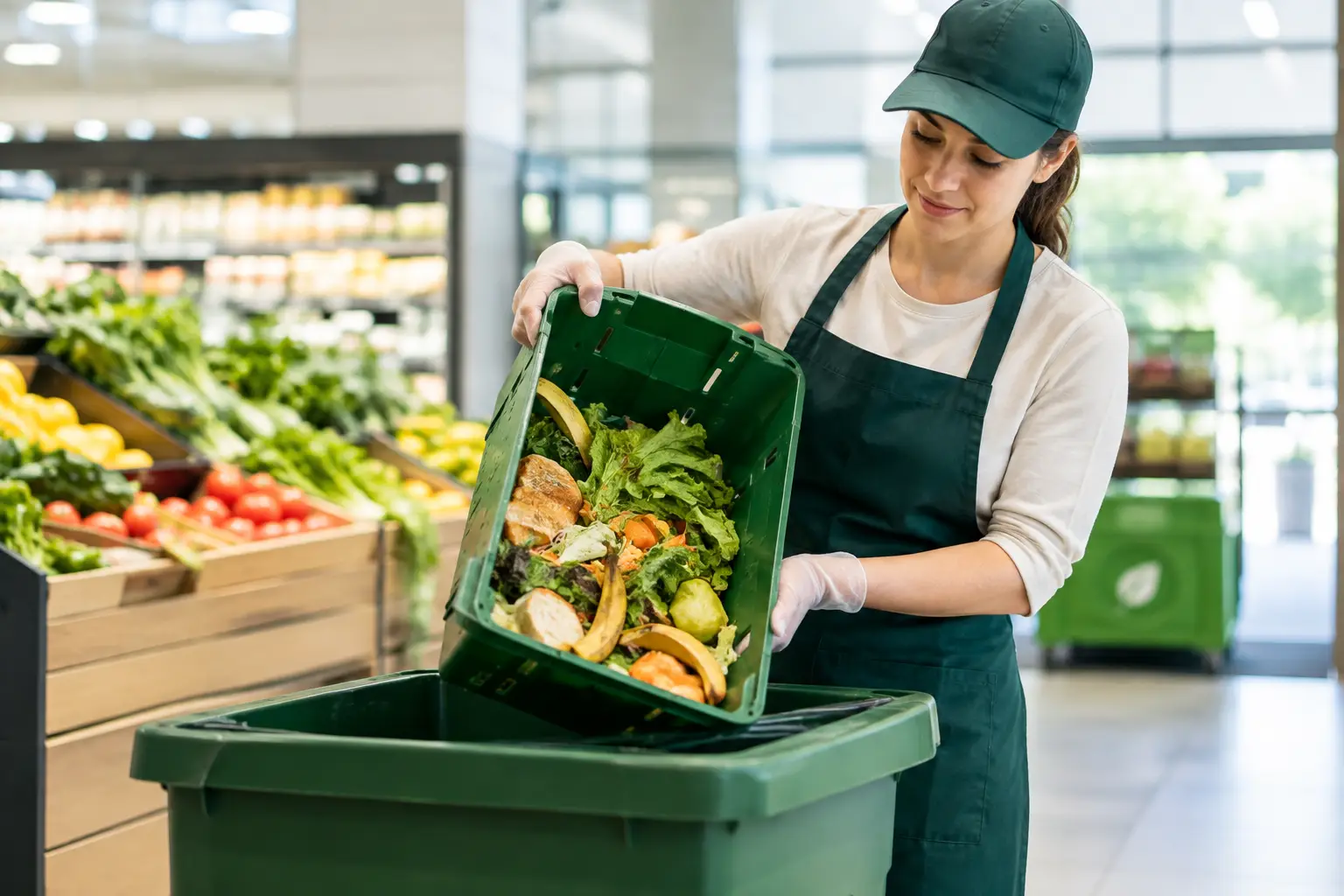
A supermarket can generate more waste before noon than many small businesses create in a week. Cardboard arrives with every delivery, produce spoils faster in warm weather, deli and bakery departments create organics daily, and customer-facing bins fill without warning. To manage supermarket waste effectively, store leaders need a plan that protects sanitation, keeps back rooms clear, and matches collection service to the store’s actual volume.
Waste management is not just a back-of-house task. Overflowing containers create safety concerns, attract pests, block delivery areas, and leave a poor impression on shoppers and neighboring businesses. A dependable system gives managers one less operational problem to chase during an already demanding day.
Start With the Waste Stream, Not the Container
The right container is important, but it should follow a clear understanding of what your store throws away. Walk the loading area and receiving room at several points during the week. A Monday morning may look very different from the day after a major holiday or weekend promotion.
Most supermarkets handle a mix of corrugated cardboard, food scraps, spoiled produce, prepared-food waste, plastic film, damaged packaging, general trash, and occasionally bulky materials. Each stream has different handling needs. When everything is placed in the same container, recyclable materials get contaminated, organic waste adds odor and weight to trash loads, and disposal costs can climb.
Department-level accountability makes a real difference. Receiving teams should break down boxes as deliveries are stocked. Produce and prepared-food staff should know where organics belong. Front-end employees need a practical process for gathering customer-area waste without overfilling small interior bins. Clear signs help, but the system also has to be easy enough to follow when the store is busy.
How to Manage Supermarket Waste by Department
A single storewide policy is useful, but waste is created differently across the building. Giving each department a simple routine prevents the back room from becoming the catch-all for every material.
Receiving and grocery
Cardboard is often the largest recyclable material at a supermarket. Boxes should be flattened promptly rather than piled beside the loading dock. A baler or compactor may be appropriate for high-volume locations, but it is not automatically the right answer for every store. Stores with limited space or lower cardboard volume may be better served by right-sized containers and more frequent recycling collection.
Plastic wrap, shrink film, and damaged packaging need their own plan. Some materials may be recyclable through specialized programs, while contaminated film may need to be treated as trash. The key is to avoid sending employees mixed messages about what belongs where.
Produce, deli, bakery, and prepared foods
Organic waste needs attention every day. Spoiled fruits and vegetables, trimmings, expired prepared foods, and bakery waste can create odors quickly, particularly during hot New York summers. Keeping organics separate reduces the volume of general trash and helps keep dumpster areas cleaner.
Collection frequency matters here. A container that works in January may be inadequate in July, and a store with a large prepared-food program will usually need a different schedule than a conventional grocery location. Consider seasonal volume, weekend traffic, and delivery days when setting service levels.
Customer areas and employee spaces
Waste from checkout lanes, restrooms, break rooms, and parking areas may be smaller in volume, but it can affect the shopper experience immediately. Interior collection points should be emptied before they overflow, with clear responsibility assigned by shift. Managers should also check exterior bins and enclosure gates as part of regular store walks.
Match Pickup Frequency to Store Reality
Many waste problems are service-design problems. If containers are overflowing every Saturday, employees may assume they need a larger dumpster when the real issue is that pickups are not scheduled around peak volume. On the other hand, paying for extra collections when containers are consistently half empty wastes budget.
Review disposal needs against actual operations. Consider delivery schedules, weekly promotions, seasonal holidays, weather, store hours, and the amount of fresh food prepared on site. A supermarket near a dense commercial corridor may also have tighter loading conditions and less room for container storage than a freestanding Long Island location.
Reliable collection is especially important when a store has limited space. Missed or delayed pickup can leave cardboard and trash blocking receiving areas, creating hazards for employees and delivery drivers. Work with a commercial waste provider that can set a practical schedule, respond when needs change, and provide service consistently on weekends and holidays when required.
Use Equipment That Fits the Site
The best waste setup balances capacity, footprint, staff effort, and access for collection vehicles. Bigger equipment is not always better. A large container can take up valuable loading space, while equipment that is too small forces employees to make repeated trips or stack waste outside.
For many supermarkets, front-load containers work well for recurring trash, recycling, and organics. Roll-off containers can help during remodels, equipment replacement, inventory cleanouts, or major seasonal resets. Compactors can be a smart option for stores with high volumes of loose trash or cardboard, particularly where space is tight and reducing collection frequency creates operational value.
Before selecting equipment, look at truck access. Can a collection truck enter and exit safely? Are there overhead wires, low clearances, parked vehicles, or shared loading areas? Is the enclosure large enough for containers and safe employee movement? These site details are where local experience matters. A plan that looks good on paper can fail quickly if it does not account for the realities of a busy NYC or Long Island property.
Keep Recycling and Organics Clean
Recycling only helps when materials are prepared correctly. Wet cardboard, food-contaminated containers, loose trash, and bags of mixed waste can lead to rejected loads. The goal is not perfection from every employee. The goal is a simple process that prevents the most common contamination problems.
Place recycling and organics containers where waste is generated, not only at the far end of the building. Use straightforward labels with examples employees recognize. Train new staff during onboarding, then reinforce the process with short reminders during department meetings. If contamination continues, inspect where it is entering the stream instead of blaming the final person who takes out the trash.
Organic waste requires the same discipline. Lids should remain closed, collection areas should be cleaned routinely, and leaks should be addressed immediately. For stores handling meat, seafood, deli, or prepared foods, odor control and pickup timing deserve extra attention.
Build Compliance Into Daily Operations
Supermarkets must manage waste in a way that supports sanitation standards, property requirements, and applicable local rules. Requirements can vary by municipality, building type, waste stream, and the amount of organic material generated. Store operators should not treat compliance as a once-a-year review.
Document your service schedule, container locations, employee procedures, and any recurring issues. If a property manager, inspector, or corporate operations team raises a question, a clear record makes it easier to show that the store has an organized process. It also helps identify patterns, such as extra waste after promotions or recurring contamination from one department.
A local provider can be valuable here because container placement, collection access, and city sanitation expectations are often specific to the neighborhood and property. Crown Waste Corp. works with commercial customers to build practical service plans that account for those on-the-ground conditions, not just a generic pickup schedule.
Review the Program Before Problems Become Emergencies
Waste needs change as a store changes. A new deli counter, expanded online-order operation, holiday inventory build, or renovation can quickly make an old service plan inadequate. Review volumes and collection performance regularly, especially after major operational changes.
Watch for warning signs: waste left outside containers, repeated calls for extra pickup, employees spending too much time handling cardboard, odors near the receiving area, or recyclable materials turning up in the trash. These are operational signals, not minor inconveniences.
A clean, well-run waste area supports the entire store. When pickups are dependable, containers fit the site, and employees understand the process, managers can keep their attention where it belongs: serving customers, protecting food quality, and running a safe operation every day.
Leave a Reply