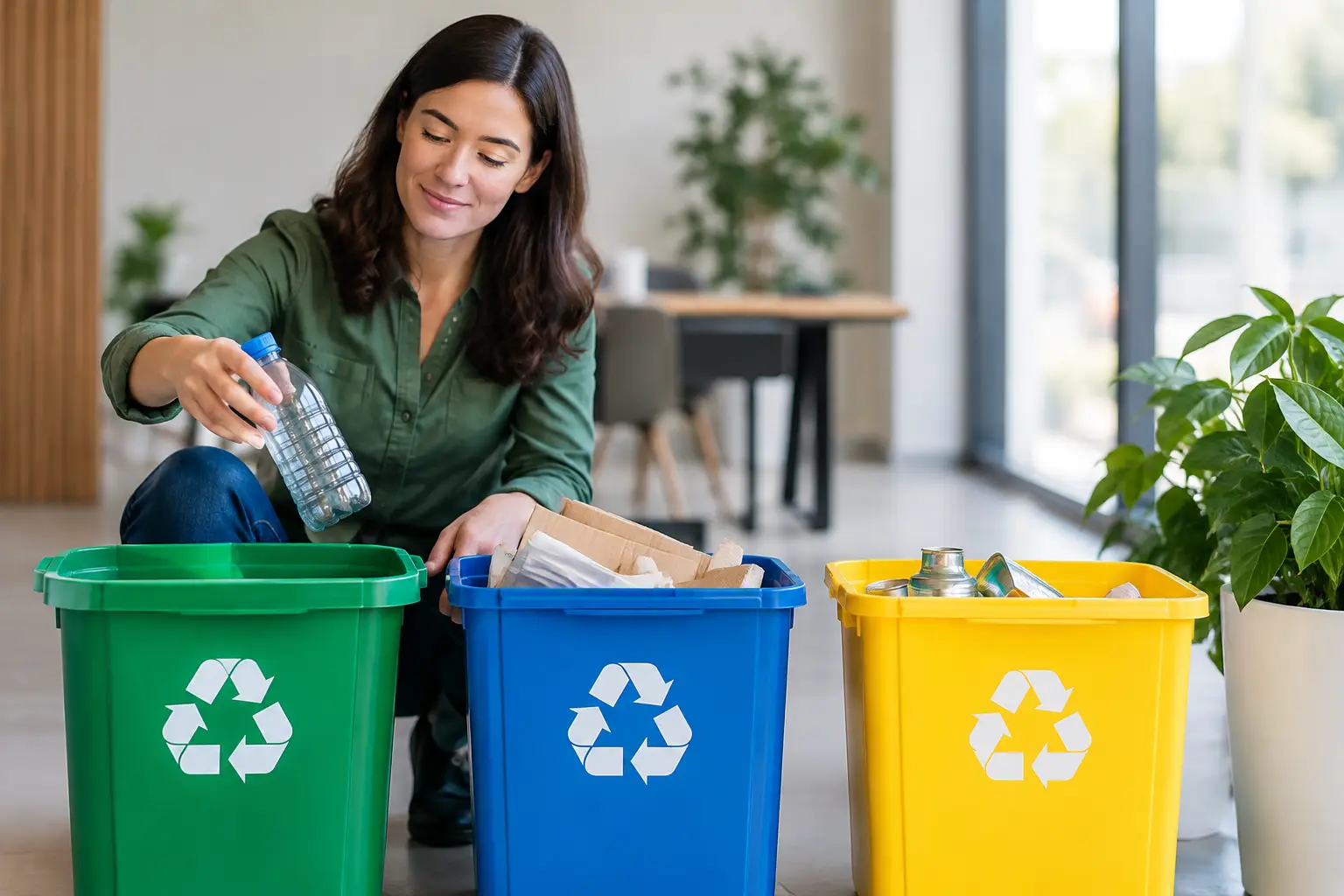
A waste diversion strategy is not a poster above a recycling bin or a promise on a sustainability report. For a New York City or Long Island business, it is a practical operating plan for keeping recoverable material out of the trash while maintaining a clean, safe, compliant property. When the plan is built around what your location actually throws away, it can reduce disposal volume, improve collection efficiency, and give employees a simpler system to follow.
The best approach is usually straightforward: identify the waste streams your business produces, set up containers and pickup service that match those streams, and make sorting easy enough to happen during a busy shift. A restaurant closing late, a retail center handling deliveries, and an office building with multiple tenants will not need the same setup. The goal is not to chase a perfect diversion rate. It is to create a system your staff can run consistently.
Start Your Waste Diversion Strategy With a Real Audit
Before changing containers or pickup schedules, look at what is currently going into the trash. A short waste audit often reveals the biggest opportunities quickly. Walk the loading area, dumpster enclosure, break rooms, kitchens, sales floor, and any area where packaging is opened or food is prepared. Speak with the employees who handle cleanup, deliveries, and closing duties. They know where the problems occur.
Track what fills the trash container most often over one to two typical weeks. Common commercial materials include cardboard, mixed paper, plastic bottles and containers, metal cans, glass, food scraps, pallets, shrink wrap, and construction debris. Also note bulky material that takes up space without adding much weight, such as shipping cartons or foam packaging.
This first review should answer a few operational questions. Is recyclable cardboard being placed in the trash because it is not flattened? Are food scraps making the trash heavy and messy? Are tenants or staff using the nearest container rather than the correct one? Is the trash container overflowing before its scheduled pickup while the recycling container sits half empty?
A waste audit does not need to become a major consulting project. It needs to provide a clear picture of volume, material types, and where sorting breaks down. That information allows your hauler to recommend the right mix of recurring collection, recycling, organics service, roll-off containers, or compaction equipment.
Separate the Streams That Matter Most
A strong waste diversion strategy focuses first on materials that are generated in meaningful volume and can be handled reliably. For many offices, schools, retail locations, and multi-tenant properties, single-stream recycling is the most practical starting point. Employees can place accepted paper, cardboard, containers, metal, and glass in one designated recycling stream rather than sorting each item into separate bins.
For restaurants, supermarkets, food service operations, and other businesses with consistent food waste, organics collection can make an even larger difference. Food scraps are dense, wet, and often responsible for odor, leaks, and excess trash weight. Separating them can improve back-of-house conditions as well as diversion performance.
Cardboard deserves special attention in businesses that receive frequent deliveries. Flattened boxes take far less space, reduce clutter around receiving areas, and are easier to manage as part of a recycling program. A retail store may not need a complex sustainability program to see results. It may simply need a dedicated place for cardboard and a clear expectation that every box gets broken down before it reaches the disposal area.
Construction and renovation work should be planned separately from regular commercial collection. Debris can include wood, metal, drywall, concrete, fixtures, and packaging, and the right roll-off container depends on the material, project scope, site access, and local disposal requirements. Mixing renovation debris with everyday business waste can create avoidable cost and service issues.
Make the Right Choice the Easy Choice
Even a well-designed diversion program fails if sorting requires extra effort during a rush. Container placement, signage, and daily routines matter more than broad instructions sent in an email.
Put recycling and trash containers together where waste is generated. If a break room has a trash can but the recycling bin is down the hall, the trash can will get used. In kitchens, place organics containers near prep areas and dish stations, with lids and liners suited to the environment. In loading areas, give cardboard a designated space that does not block exits, walkways, or fire access.
Signs should be specific and visual. A label that says “recycling” is less useful than one showing the materials your team handles every day. For a coffee shop, that may mean bottles, cans, cardboard, and clean paper. For a medical office, it may mean office paper, beverage containers, and shipping boxes, while clearly separating regulated or sensitive materials that require a different handling process.
Keep instructions short. Employees need to know what goes where, what must stay out, and whom to tell when a bin is full or contaminated. New-hire training and periodic reminders are more effective than a one-time announcement. Property managers should also make expectations clear to tenants and janitorial teams, especially in shared waste rooms.
Match Collection Service to Your Actual Volume
Diversion is closely tied to collection design. Too few pickups can lead to overflow, contamination, and unsafe conditions. Too many pickups can mean paying for capacity you do not need. The right schedule depends on volume, storage space, hours of operation, odor concerns, seasonal changes, and the type of material being collected.
A busy restaurant may need frequent organics and trash collection, particularly during warm weather, while its recycling needs may be more stable. An office building may produce larger recycling volumes on regular business days but have lower service needs on weekends. A supermarket may need a combination of recurring collection and equipment that keeps cardboard and trash manageable behind the building.
Compactors can be a practical fit for locations with high volumes and limited space. By reducing the space occupied by waste, a compactor can help businesses keep loading areas cleaner and potentially reduce the number of collections required. However, equipment is not automatically the right answer. A smaller business with modest volume may be better served by properly sized containers and a dependable pickup schedule.
Service reliability is part of the strategy, not an afterthought. A plan that works only when every pickup happens under ideal conditions is not a workable plan for New York. Businesses need a commercial waste partner that understands access limitations, tight service areas, weather, holidays, and the fact that missed collection can affect customers, employees, tenants, and health inspections quickly.
Measure What You Can Act On
You do not need a complex dashboard to manage diversion. Start with a few useful measures: the number and size of trash versus recycling or organics containers, how often each stream is collected, overflow incidents, contamination problems, and recurring materials found in the trash.
Review these details after the first month, then at regular intervals. If recycling containers are consistently full while trash containers are not, the service mix may need adjustment. If organics collection is contaminated with packaging, the issue may be bin placement or unclear labels. If cardboard is still taking over a receiving area, staff may need a more convenient breakdown station or a different collection arrangement.
It also helps to recognize that diversion goals involve trade-offs. Adding a separate stream can improve recovery, but it requires space, staff participation, and the right pickup frequency. Single-stream recycling is easier for many teams, but contamination can rise when people treat it as a catch-all bin. Organics collection can reduce trash weight substantially, but food service locations need clean containers, reliable service, and strong back-of-house habits.
The right standard is steady improvement, not a program that looks impressive on paper and creates daily frustration.
Build Compliance Into Daily Operations
Commercial waste requirements can vary by material, business type, building arrangement, and local rules. New York City businesses may have recycling and organics obligations that apply to their operations, while Long Island requirements can differ by municipality and service area. Confirm the requirements that apply to your specific location rather than relying on a one-size-fits-all checklist.
Compliance becomes easier when the waste system is organized. Clear containers reduce improper disposal. Scheduled pickups prevent accumulation. A responsive hauler can help identify the service options that fit your material streams and operational needs. For businesses with multiple locations or changing volumes, regular communication is especially valuable because a plan that worked last year may no longer fit current operations.
Crown Waste Corp. works with commercial customers across NYC and Long Island to build practical collection plans around their actual waste, recycling, organics, roll-off, and compactor needs. The focus is dependable service and a setup that employees can manage day after day.
A better waste operation usually begins with one honest look at the dumpster area. Identify what is being thrown away, fix the easiest sorting problem first, and build from there. That is how a waste diversion strategy becomes part of normal business operations instead of another task that gets forgotten when the day gets busy.
Leave a Reply