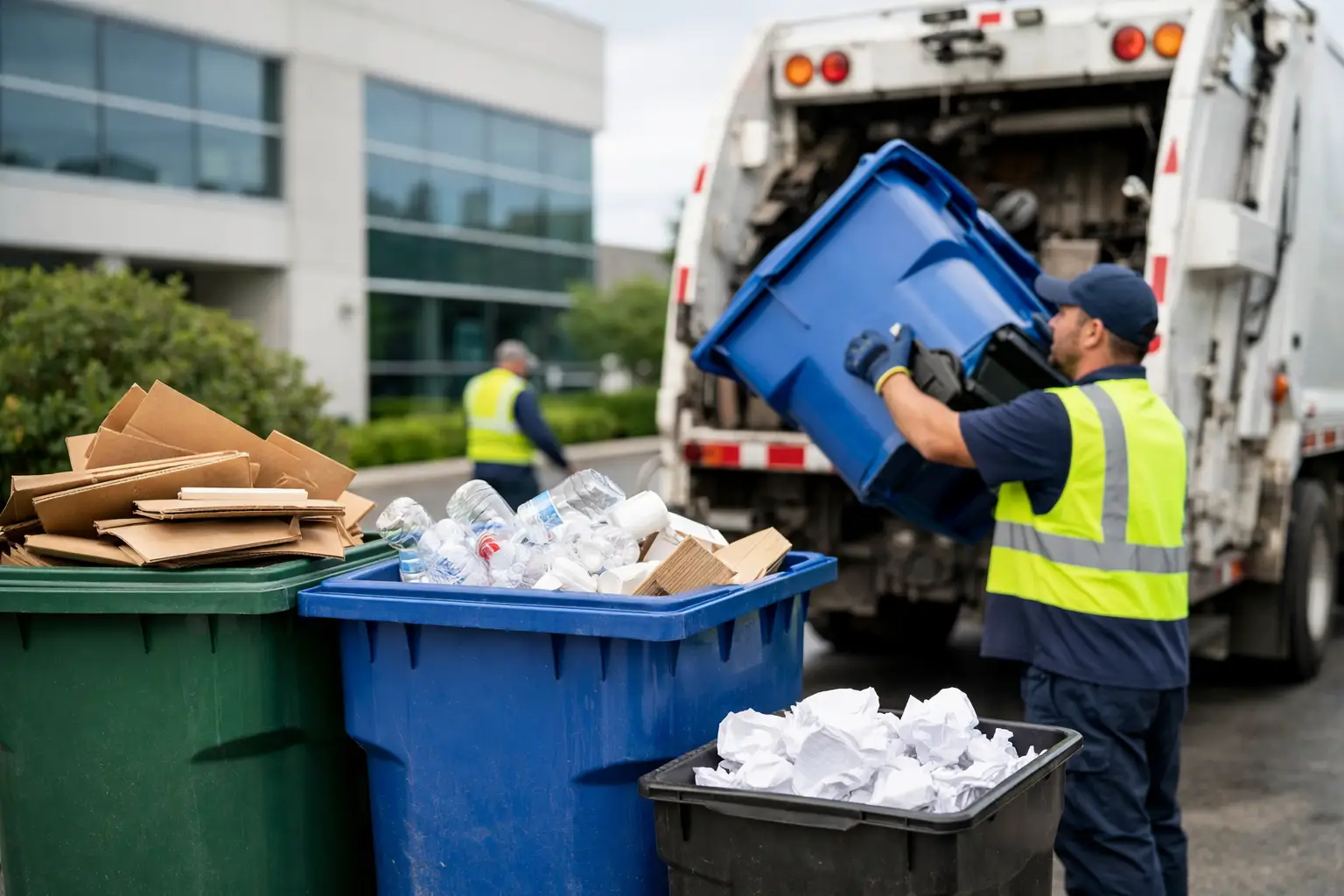
A missed recycling pickup can create more than an overflowing bin. For a restaurant, retail store, office building, or multi-tenant property, it can block loading areas, attract pests, frustrate staff, and make a poor impression on customers. Knowing how to choose commercial recycling pickups starts with looking beyond the lowest quoted rate. The right service should fit the way your location actually operates, from waste volume and storage space to local collection rules and the need for dependable service during busy periods.
Start With Your Real Recycling Volume
The first question is not how many containers you want. It is how much recyclable material your business produces between pickups. A small office may generate mostly paper, cardboard, bottles, and cans. A supermarket may produce large volumes of corrugated cardboard and food-related packaging every day. A retail center can see sharp increases during deliveries, seasonal promotions, and holidays.
Walk through the waste area at different times of the week. Look at what is being placed in trash containers that could be recycled, how quickly recycling bins fill, and whether cardboard is being broken down before disposal. This gives you a better baseline than estimating from square footage alone.
Volume also changes over time. A restaurant with patio season, a school during the academic year, or a construction site during active demolition may need more frequent service for several months and less service later. Choose a provider that can adjust collection frequency or equipment as your needs change, rather than locking you into a setup that becomes inefficient.
Choose Commercial Recycling Pickups Around Your Schedule
Pickup frequency affects cost, cleanliness, and daily operations. Too few collections can lead to overflowing containers and loose material around the enclosure. Too many can mean you are paying for truck stops that are not necessary. The best schedule is based on actual fill levels, not a standard plan applied to every business.
Consider when your recyclable material is generated. A grocery store may need frequent collection after deliveries. An office property may need service around tenant move-ins or document cleanouts. Restaurants often need schedules that account for limited storage space and tight back-of-house areas.
Collection timing matters as much as frequency. Ask whether the hauler can work around delivery windows, customer traffic, building access restrictions, and shared loading docks. In New York City and Long Island, a route that works on paper can become a problem if a truck arrives when the alley is blocked or the container is inaccessible. A local provider should understand those practical conditions and help set a schedule that works in the field.
Match the Container to the Location
Commercial recycling service is not one-size-fits-all. The right container depends on the materials you generate, the amount of available space, and how your employees move waste from the point of use to the collection area.
For many businesses, single-stream recycling is the simplest option. Paper, cardboard, plastic containers, metal cans, and glass can go into one designated container, making participation easier for staff and tenants. But single-stream only works well when people know what belongs inside. Food waste, bagged trash, greasy paper, and other contamination can create avoidable problems.
Container placement deserves careful attention. Make sure the location is accessible to staff without creating a safety issue, but also reachable by the collection truck. Measure gates, overhead clearance, turning space, and the path to the dumpster or recycling container. Property managers should also consider who has access. An unsecured container in a busy commercial area can quickly become a dumping spot for outside waste.
If your business produces large amounts of cardboard or recyclables, a compactor may reduce the footprint of loose material and reduce the number of required pickups. For renovation, cleanout, or construction projects, a roll-off container may be a better fit than recurring front-load service. The practical solution depends on your material stream and site conditions, not just the container size.
Ask What Materials Are Accepted
Before signing an agreement, get clear answers about what the recycling program accepts and how materials should be prepared. “Recycling included” is not enough information for a business that wants to avoid contamination fees, rejected loads, or staff confusion.
Ask whether cardboard needs to be flattened, whether glass is accepted, and how plastic film, electronics, batteries, food waste, and bulk materials should be handled. Some of these materials require separate collection or specialized disposal. Medical offices, for example, need to keep regulated waste completely separate from ordinary recycling. Restaurants and supermarkets may need a distinct organic waste program for food scraps and compostable material.
Clear signage and employee training can make a major difference. Put simple instructions where waste is generated, especially in break rooms, kitchens, receiving areas, and loading docks. If multiple tenants share containers, establish expectations early. One tenant placing trash in a recycling dumpster can affect the entire property.
Compare Quotes Beyond the Base Price
Competitive pricing matters, but the cheapest monthly rate is not always the lowest total cost. Compare proposals based on the full service plan: container type and size, pickup frequency, fuel or environmental charges, overage terms, contamination charges, delivery fees, and any equipment rental costs.
A transparent quote should explain what is included and what can trigger additional charges. This is particularly important for businesses with fluctuating volume. If a container regularly overflows, the original rate may look attractive while unplanned extra pickups and overflow issues drive up the real cost.
It is also worth asking how service changes are handled. Can you request an extra pickup before a major event? Can the provider increase service during a busy season? How quickly can a damaged container be repaired or replaced? A responsive answer is valuable because recycling problems rarely wait for a convenient time.
Verify Reliability and Local Compliance
A recycling vendor is part of your facility operations. When service is late or missed, your staff has to manage the consequences. Ask prospective providers how they handle weather disruptions, holidays, weekend needs, access issues, and service recovery after a missed stop.
For businesses in New York City and Long Island, local knowledge is a real advantage. Collection rules, traffic patterns, building layouts, and disposal requirements can vary widely by neighborhood and municipality. Your provider should be able to help you set up a compliant recycling program that fits your property, not hand you a generic plan built for another market.
Reliability also comes down to communication. You should know who to call when there is an issue and receive a direct response when service needs to change. Large operations can have extensive resources, but a local, accountable company can often provide faster attention when a container is full before the next scheduled pickup.
Review Performance After Service Begins
Choosing a recycling provider is not a one-time decision. Review the program after the first month, then periodically throughout the year. Are containers overflowing? Are they often half empty? Is contamination increasing? Are employees using the correct bins? These details show whether your service plan is doing its job.
A good provider will work with you to right-size the schedule, change equipment when necessary, and address recurring problems before they affect your operation. Crown Waste Corp. works with commercial customers across New York City and Long Island to build recycling service around real on-site needs, with dependable collection available throughout the year.
The right recycling pickup plan should make your property cleaner, safer, and easier to manage. Start with an honest look at your waste stream, ask direct questions about service and pricing, and choose a partner that answers when your business needs help.
Leave a Reply