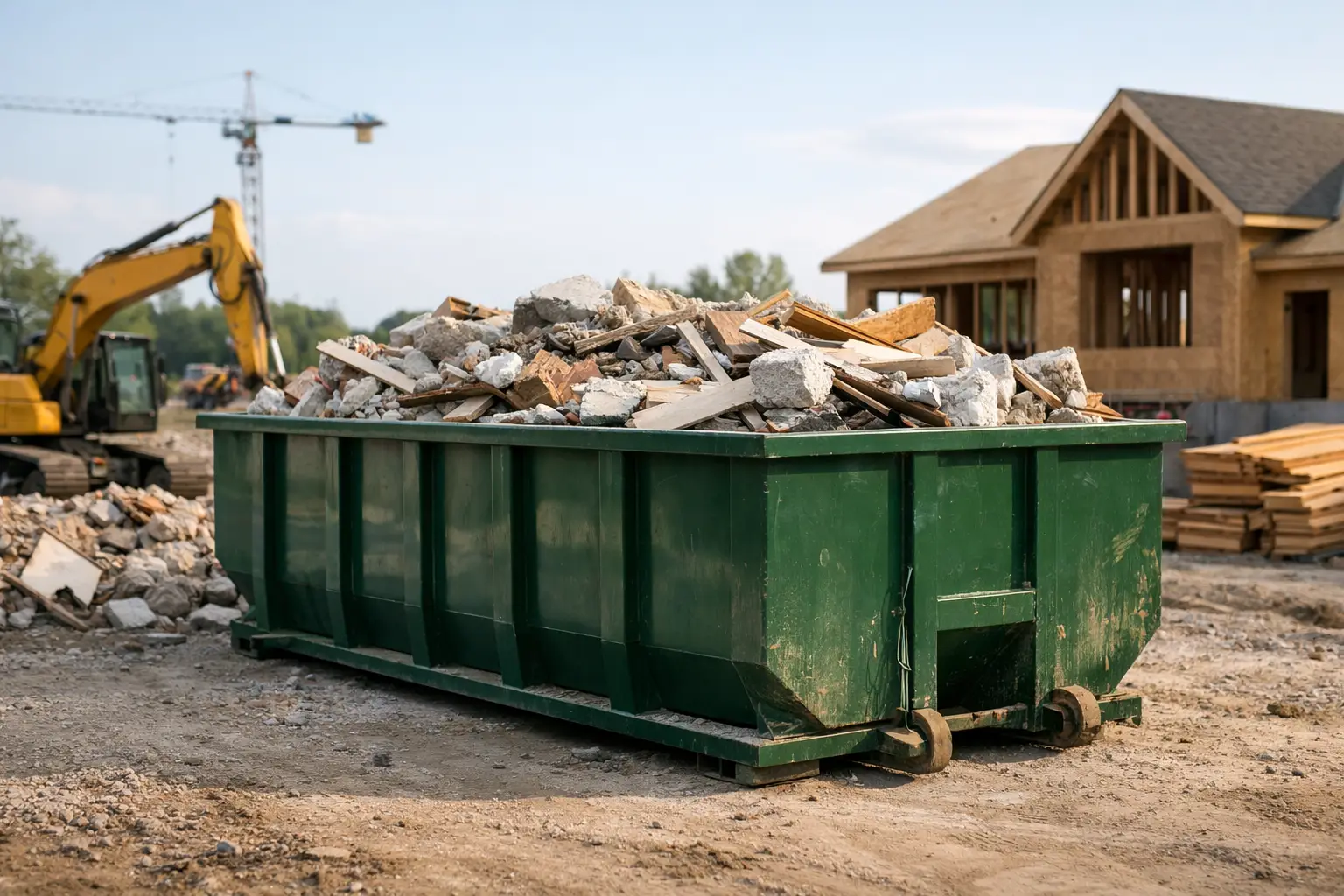
A construction site can stay on schedule all week and still lose time fast when debris starts piling up. Broken drywall, wood scraps, roofing material, flooring, packaging, and demolition waste do more than create a mess – they slow crews down, create safety issues, and make inspections harder. That is why dumpster rental for construction debris is not just a cleanup item. It is part of how a jobsite runs.
For contractors, property managers, and project owners in New York City and Long Island, the right container service helps keep work moving without adding another problem to manage. The wrong setup does the opposite. If the dumpster is too small, pickups are delayed, or the material stream is not clear, debris becomes a bottleneck.
Why dumpster rental for construction debris matters on active jobsites
Construction waste is constant, but it is not always predictable. Early demolition can produce heavy material like concrete, brick, tile, and plaster. Framing creates long, bulky wood scraps. Interior build-outs bring cardboard, plastic wrap, drywall, metal studs, and fixture packaging. Roofing and exterior work can create dense loads in a short amount of time.
That mix matters because debris volume, weight, and haul frequency all affect the container you need. A site doing a light office renovation has very different requirements than a ground-up commercial project or a multi-unit gut rehab. In both cases, though, dependable service matters. If a pickup is missed, your crew works around waste. If the container is overfilled, the load may not be hauled at all.
In a dense market like NYC, space restrictions add another layer. Alley access, curb placement, loading zones, and building traffic all affect where a roll-off can go and how quickly it can be swapped. On Long Island, space may be easier, but timing still matters when trades are stacked and disposal needs change from phase to phase.
Choosing the right dumpster size for construction debris
Size is one of the first decisions, and it is where many jobs either save money or create avoidable costs. A container that is too small leads to overflow and extra hauls. One that is too large may take up space you do not have or cost more than necessary.
For smaller renovations, tenant improvements, and selective demo work, a 10-yard or 15-yard container may be enough. These are often a practical fit when the debris is heavy and dense, or when the site has limited room. A 20-yard dumpster is a common middle-ground option for larger remodels, flooring removal, roofing tear-offs, and general construction cleanup. For major demolition, commercial build-outs, or large-volume debris, 30-yard and 40-yard containers are more common.
Weight matters just as much as volume. Concrete, dirt, masonry, and asphalt can fill a container long before it looks full. Drywall, cardboard, insulation, and wood may take up a lot of space without creating the same weight issue. A good provider will ask what material is going in, not just how big the job is.
Matching the container to the phase of work
Many projects should not use the same container setup from start to finish. Demo may call for a smaller heavy-debris container with more frequent pickups, while later construction can shift to a larger container for mixed lightweight debris. That phased approach can be more efficient than using one oversized solution for the entire project.
It also helps control site safety. Keeping the right container on site at the right time reduces loose material around the work area and cuts down on the temptation to overfill.
What can go into a construction debris dumpster
Most construction debris dumpsters are used for materials like wood, drywall, sheetrock, metal, flooring, roofing shingles, siding, non-hazardous demolition waste, fixtures, cabinetry, and packaging. In many cases, mixed construction debris is acceptable, but every hauler has rules based on disposal site requirements and local regulations.
Some materials usually require separate handling or may not be allowed in a standard mixed debris container at all. That can include hazardous waste, chemicals, paint, solvents, asbestos-containing materials, propane tanks, batteries, certain electronics, and refrigerants. Concrete, brick, and dirt may also need a dedicated container depending on the load size and disposal plan.
This is where clear communication matters. If the material stream is not discussed upfront, the job can end up with contamination charges, rejected loads, or delays at pickup. On a busy project, that is avoidable downtime.
Permits, placement, and local logistics
In NYC and parts of Long Island, container placement is not always simple. If the dumpster is going on private property, access and clearance are usually the main concerns. If it needs to sit on the street, a permit may be required depending on the municipality and exact location.
That affects scheduling more than many customers expect. The ideal drop-off time means little if there is no approved place to set the container. Tight blocks, school zones, loading activity, pedestrian traffic, and building rules can all shape what is possible.
An experienced local hauler can help sort through those details before delivery day. That matters because construction schedules rarely leave much room for rework. If a truck arrives and cannot place the box, the site loses time and the project team has to scramble.
Pricing depends on more than the container
Customers often ask for a flat price first, which makes sense. But dumpster rental for construction debris is usually priced around several moving parts: container size, debris type, weight, rental duration, haul frequency, delivery conditions, and location.
A low quote does not always mean lower overall cost. If the included weight is too low for the material, overage charges can add up quickly. If pickup flexibility is limited, the container may sit full while the job keeps generating waste. If the provider does not understand local routing and access issues, you may pay for delays in time rather than line items.
The better approach is to get a quote built around the actual job. Be ready to share the project type, expected material, site address, access limitations, and likely schedule. That leads to more accurate pricing and fewer surprises.
When scheduled swaps make more sense than on-call pickups
Some projects generate debris at a steady pace. Others create spikes during demolition, framing, or final cleanout. If your site will predictably fill containers on certain days, scheduled swaps can keep things cleaner and reduce calls back and forth. On smaller or less predictable jobs, on-call service may be enough.
It depends on how tightly the project is sequenced. If multiple trades are working in a compact footprint, waiting for a pickup window can affect everyone.
Reliability is the service that saves the job
A dumpster is a piece of equipment, but the real service is consistency. Construction teams need containers delivered when promised, swapped without long delays, and picked up cleanly so the site stays compliant and safe. That is especially true in bad weather, on fast-track projects, and around holiday schedules when larger operators may be harder to reach.
For local contractors and property teams, responsiveness is often the deciding factor. When debris removal is handled by a provider that knows NYC and Long Island logistics, problems tend to get solved faster. Crown Waste Corp. works with businesses that need that kind of day-to-day dependability, not vague service windows or one-size-fits-all hauling.
How to get better results from your rental
The easiest way to avoid issues is to treat waste planning as part of the project plan, not an afterthought. Order the container before debris becomes urgent. Keep the allowed materials clear with crews and subs. Do not let loads rise above the fill line. Protect access to the container so pickups are not blocked by parked vehicles, pallets, or equipment.
It also helps to think one step ahead. If demo starts Monday and the container will likely be full by Wednesday, set the swap expectation early. If the job is moving from heavy material to mixed debris, ask whether a different container plan makes more sense. Small adjustments like these keep the site cleaner and usually cost less than emergency service.
The best dumpster rental setup is the one that fits the real conditions of the job – the debris, the schedule, the space, and the local rules. When those pieces line up, cleanup stops being a disruption and becomes part of a smoother operation. If you are planning upcoming work in NYC or Long Island, a clear quote and a reliable haul schedule can make the whole project easier to run.
Leave a Reply