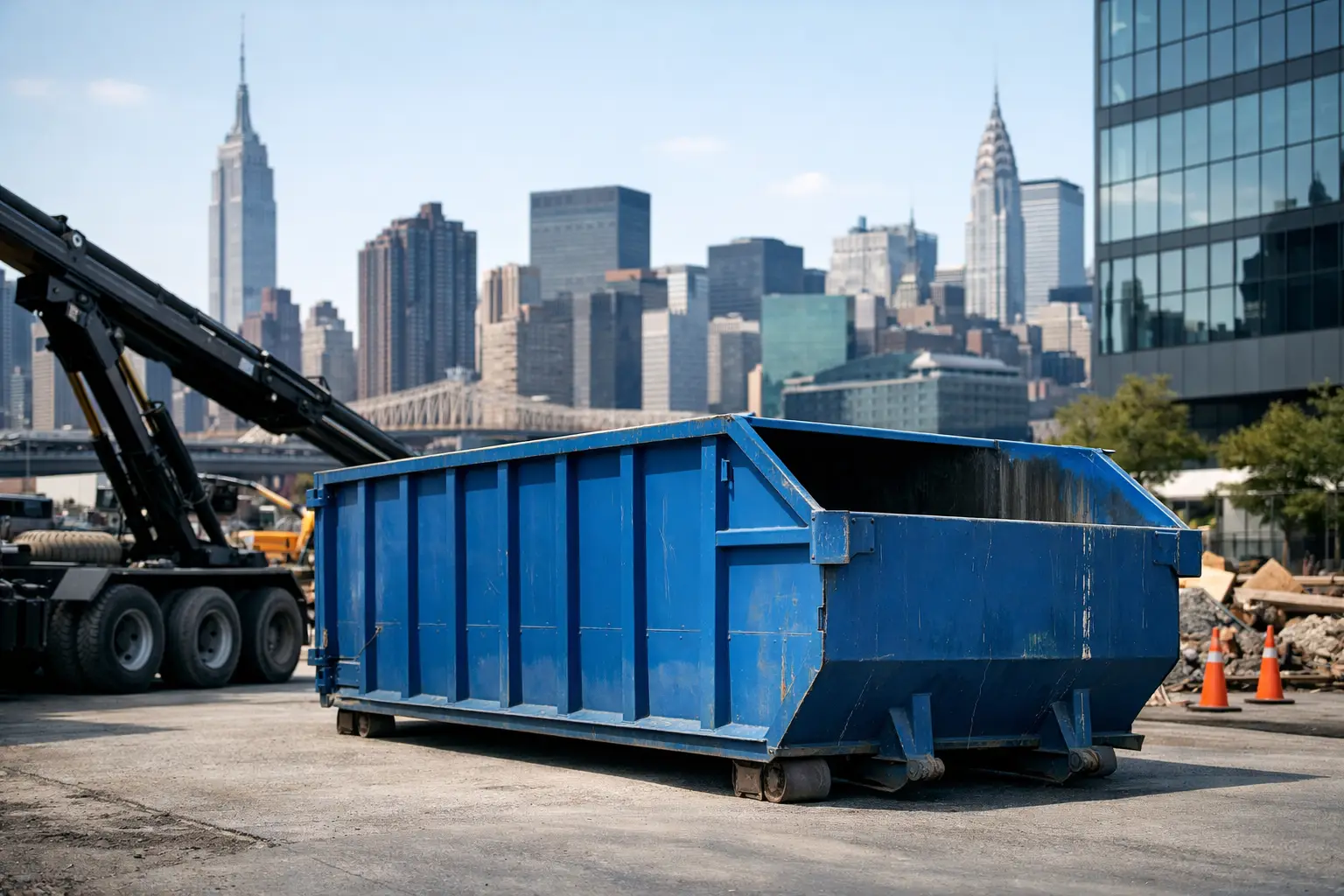
A renovation crew is ready to start, a retail backroom is already filling with debris, or a property cleanout has to happen on a tight schedule. That is usually when roll off container rental NYC service stops being a line item and becomes an operational priority. In New York, the right container matters, but timing, placement, pickup, and local service support matter just as much.
For business owners, property managers, and site supervisors, a roll-off rental is not just about getting a dumpster dropped off. It is about keeping a job moving, protecting the site, and avoiding the delays that come from overflow, missed pickups, or the wrong container size. In a city where access is tight and schedules change quickly, dependable service makes a real difference.
When roll off container rental NYC makes sense
Roll-off containers are built for larger volumes of material than standard commercial collection can handle. That makes them a practical fit for construction debris, demolition waste, office buildouts, store remodels, warehouse cleanouts, and major property turnover work. They are also useful for businesses dealing with seasonal surges, bulk disposal, or one-time projects that create too much waste for regular bins.
In NYC, many commercial customers need a solution that can adapt to the job rather than force the job to adapt to the hauler. A restaurant group opening a new location may need a container for construction debris before moving to ongoing trash and recycling service. A property manager may need a container for a tenant cleanout one week and a compactor discussion the next. It depends on the volume, the material, the access to the site, and how quickly waste needs to move out.
That flexibility is one reason roll-off service is so valuable. It gives businesses a way to manage large waste streams without disrupting normal operations.
Choosing the right roll-off container
Size is the first decision most customers think about, and for good reason. A container that is too small can leave you paying for extra hauls or dealing with material piling up around the site. One that is too large may take up more space than you can comfortably spare, especially in dense commercial areas.
The right choice depends on the type of waste as much as the amount. Heavy materials like concrete, brick, dirt, or roofing debris can change what is practical, even if the container looks big enough on paper. Lighter materials such as cardboard, packaging, fixtures, shelving, or general cleanout debris often allow for larger containers without the same weight concerns.
Access also plays a major role. In New York City, a drop-off location may involve alley access, loading zones, gated lots, narrow service roads, or busy street frontage. A container that works well on an open suburban property may not be the best fit for a tight city site. That is why experienced local coordination matters. A provider should ask the right questions before delivery, not after the truck arrives.
What businesses should expect from the rental process
A good rental process starts with a clear quote based on the real job, not a generic estimate. The best providers will ask about material type, site conditions, timing, expected volume, and whether the container will stay in place or need multiple pulls. That helps prevent billing surprises and service issues later.
Delivery should be scheduled around the work, not left vague. On a construction site or commercial property, crews, tenants, and vendors are all working around one another. A missed drop-off can affect labor schedules. A late pickup can create safety and appearance problems fast. Reliable communication is not a bonus in this business. It is part of the service.
Pickup is where many problems show up if the account is not managed carefully. Some jobs need a one-time haul at the end. Others need swap-outs during active work. If debris is moving faster than expected, the hauler should be responsive enough to adjust. That kind of hands-on support is especially valuable for businesses that do not have time to chase down updates.
Roll off container rental NYC and compliance concerns
Waste hauling in New York is not only about convenience. Compliance matters. Businesses need to think about what can go into a container, whether the waste stream includes recyclable material, and how local rules or site conditions may affect placement and removal.
Mixing prohibited materials into a roll-off can create delays, added charges, or disposal problems. The same goes for overloading a container or allowing debris to extend above the top rail. Those are common issues on rushed jobs, but they are avoidable with clear guidance from the start.
For commercial customers, this is where working with a knowledgeable local provider pays off. A hauler with real experience in NYC understands the day-to-day realities of servicing active businesses, navigating local streets, and helping customers stay on the right side of disposal requirements. That is especially important for property managers and operations leaders who need waste service to be one less thing to worry about.
Industries that benefit from roll-off service
Construction companies are the most obvious users, but they are far from the only ones. Retail stores often need containers during remodels, fixture replacements, or inventory resets. Office buildings use them during buildouts, furniture removals, and tenant turnover work. Supermarkets, restaurants, schools, and healthcare-related properties may need them for larger cleanouts or renovation periods when normal service is not enough.
Property managers rely on roll-offs for estate cleanouts, damaged unit cleanups, and larger maintenance projects. Industrial and warehouse users often need temporary bulk disposal support during reorganizations, equipment replacement, or seasonal volume spikes. The common thread is simple: when standard collection no longer matches the job, a roll-off becomes the practical next step.
What affects pricing
Customers usually ask about price early, and they should. But the cheapest quoted rate is not always the lowest real cost. Pricing depends on container size, rental duration, the type of debris, hauling frequency, disposal weight, and site logistics. In a place like NYC, access conditions can also affect the job.
A low number on paper can turn into a higher final bill if service terms are vague or if extra fees appear for overage, delays, contaminated loads, or failed delivery attempts. That is why transparent quoting matters. Commercial customers need to know what is included, what can change the rate, and how service adjustments are handled if the project shifts.
There is also a value question beyond the invoice. If a provider shows up when promised, helps match the right container to the site, and responds quickly when a pickup needs to move up, that saves time and reduces disruption. For most businesses, those operational savings matter just as much as the base rental rate.
Why local service makes a difference
Roll off container rental NYC is a local service in every practical sense. Street conditions, building access, timing restrictions, and customer expectations are different here than in many other markets. Businesses need a hauler that understands how this region works and can respond accordingly.
That is where a family-operated company with hands-on customer care stands apart. Crown Waste Corp. serves businesses across New York City and Long Island with the kind of responsive service that large, impersonal haulers often struggle to provide. For customers managing active commercial sites, that local accountability matters.
A business should not have to wonder whether the driver will understand the drop location, whether support will be available on weekends, or whether a pickup request will sit unanswered while waste piles up. Dependable service, including during busy periods and difficult conditions, is often the deciding factor in who earns repeat business.
How to make your rental go smoothly
The best results usually come from a short planning conversation before the container is delivered. Confirm what material is going in, where the container will sit, how long it will stay, and whether the job may require more than one haul. If the site has tight access or specific timing windows, say that early.
It also helps to think beyond the immediate project. Some businesses start with a temporary roll-off and later realize they also need recurring trash service, recycling, organics pickup, or compactor support. When one provider can handle those needs together, operations tend to run more efficiently.
If your site is producing more waste than your current setup can manage, or if an upcoming project will create bulk debris, now is the time to line up the right container and the right service team. A straightforward quote, reliable scheduling, and local experience can keep the work moving and the property under control from day one.
Leave a Reply