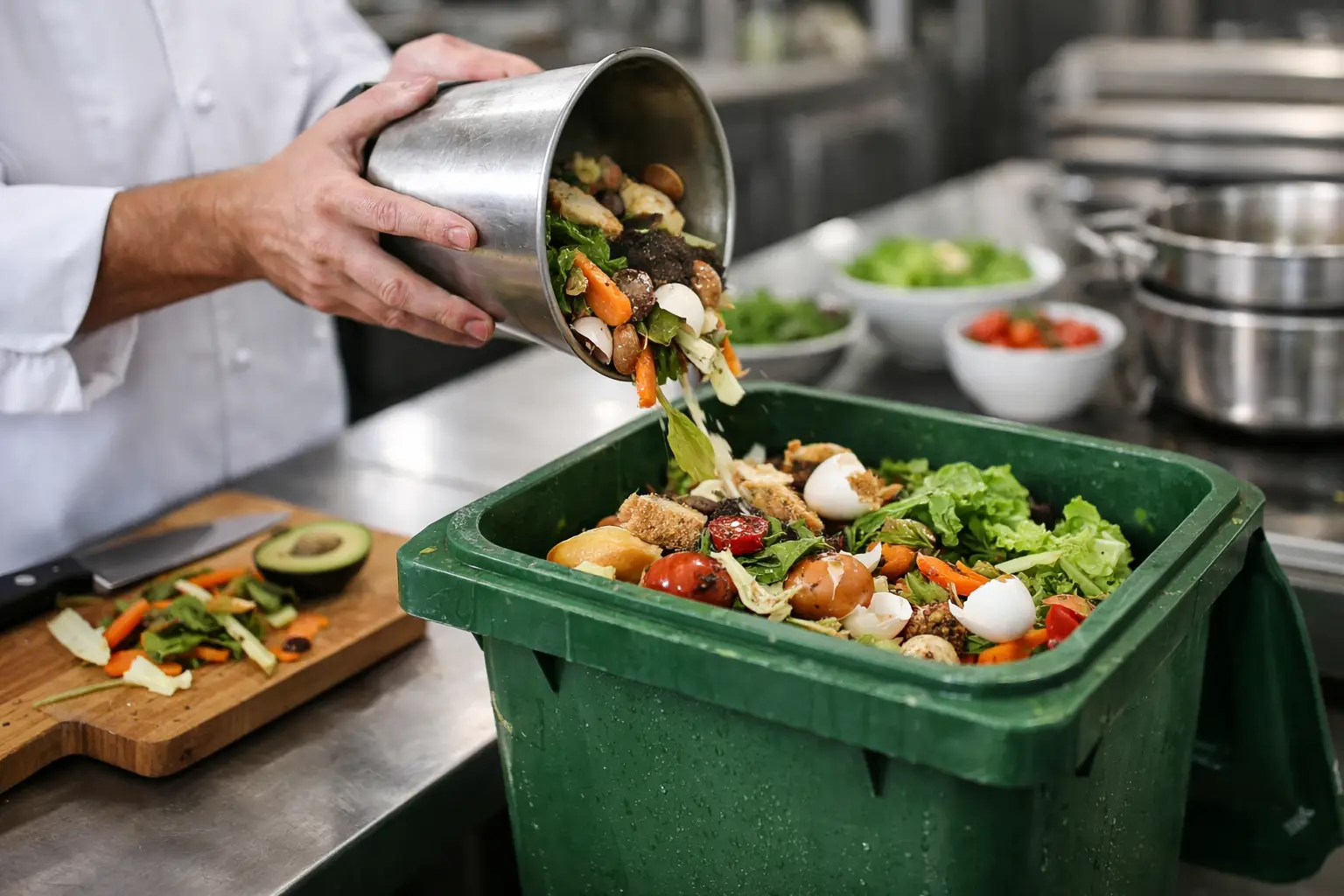
A busy kitchen can handle a slammed dinner rush, a late produce delivery, and a last-minute menu change. What it cannot afford is a back dock stacked with leaking food waste, bad odors, and missed pickups. That is why organic waste collection for restaurants is no longer a nice extra. For many operators in New York City and Long Island, it is part of running a clean, compliant, efficient business.
Restaurants generate a steady stream of organic material every day. Prep scraps, spoiled ingredients, plate waste, coffee grounds, paper towels with food residue, and other compostable materials add up fast. When those materials are mixed into regular trash, they create heavier bags, stronger odors, more pest pressure, and more strain on your storage area. A dedicated collection program solves a practical problem first. Sustainability is part of the picture, but day-to-day operations are what usually make the difference.
Why organic waste collection for restaurants matters
Food waste behaves differently than dry trash. It breaks down quickly, especially in warm weather. That means moisture, smells, and sanitation issues can build up in a matter of hours, not days. In a restaurant setting, that affects more than the dumpster area. It can affect employee workflow, customer impressions, and your ability to maintain a safe and organized facility.
Separating organics can also improve the rest of your waste stream. When food-heavy material is removed from regular trash, bags tend to be lighter and cleaner. Recycling loads are less likely to be contaminated by liquids and scraps. Staff can move waste more efficiently because streams are clearer and containers are designated for specific uses.
For many operators, there is also a compliance issue. Waste rules can change, and enforcement can tighten over time. Restaurants that wait until there is a problem often end up rushing through setup, retraining staff, and adjusting pickup schedules under pressure. A planned system gives you more control.
What counts as restaurant organic waste
The exact material accepted can vary by service program, processing facility, and local requirements. In most restaurant environments, organic waste includes fruit and vegetable scraps, meat and seafood trimmings, dairy waste, bread, grains, coffee grounds, tea bags, eggshells, and plate scrapings. In some programs, food-soiled paper products may also be accepted.
This is where details matter. A pizza shop, full-service restaurant, supermarket kitchen, school cafeteria, and catering operation do not produce the same waste profile. One location may generate mostly prep waste early in the day. Another may generate heavy post-consumer waste after lunch and dinner service. The right collection plan depends on volume, storage space, contamination risk, and how your team actually works during a shift.
How restaurants usually get it wrong
Most organic waste problems start with a simple issue – the system on paper does not match the reality in the kitchen. A manager may place one organics bin in the back and expect the whole staff to use it correctly. Then the lunch rush starts, the bin is too far from the prep line, liners run out, and everything ends up in black bags again.
Another common issue is underestimating volume. Restaurants often focus on average waste, but pickups need to be built around peak periods. Holidays, catering jobs, seasonal menu changes, and weekend traffic can all push organic volume up quickly. If collection frequency is too light, overflow becomes a sanitation issue fast.
Training is another weak spot. A program only works if dish staff, prep cooks, porters, and managers all understand what goes where. If the rules are vague, contamination follows. That creates extra handling, rejected loads, and frustration for everyone involved.
Setting up organic waste collection for restaurants
The best systems are simple, visible, and built around the flow of work. Start by identifying where organic waste is actually created. That usually means prep stations, dish return areas, bar service, and receiving zones. Small containers in those areas make separation easier than asking staff to walk scraps across the kitchen every time.
From there, the waste should move into larger, clearly marked containers in a storage area that is easy to clean and secure. Lids matter. Placement matters. Pickup timing matters. In a tight urban footprint, even a good waste plan can fail if containers block access, create mess around the loading area, or sit too long between services.
This is also where an experienced commercial hauler makes a real difference. Restaurants need pickup schedules that match business hours, storage limitations, and neighborhood conditions. A fine dining location with limited rear access may need a different setup than a quick-service operator with a dedicated enclosure. The service should fit the site, not force the site to fit the service.
Pickup frequency, container size, and service timing
There is no universal schedule that works for every restaurant. Smaller locations with low prep waste may need fewer pickups than a large-volume kitchen, buffet, grocery food hall, or institutional cafeteria. The right answer depends on how much organic material you generate, how quickly it accumulates, and how much room you have to store it safely.
Container size also needs to be matched carefully. Too small, and you deal with overflow and loose bags. Too large, and the container may sit partially full while food waste breaks down and creates odor. Many operators are surprised to learn that the best setup is not always the biggest container. Often it is the right combination of container size and pickup frequency.
Timing can be just as important as volume. If pickups happen during your busiest receiving window or while staff are trying to manage customers, the service becomes disruptive. Reliable scheduling helps keep the waste program in the background, where it belongs.
Compliance, cleanliness, and customer experience
Restaurant waste management is not only about what leaves the building. It is also about what happens before pickup. Organic waste that is not properly separated and stored can draw pests, create slip hazards, and leave a poor impression on inspectors, employees, and neighboring tenants.
For operators in dense commercial corridors across NYC and Long Island, that matters a lot. Shared loading areas, limited alley access, and close proximity to other businesses mean waste problems are rarely isolated. One leaking container can create complaints quickly. A dependable collection schedule helps restaurants avoid that kind of disruption.
There is also a business reputation angle. Diners may never ask about your hauling schedule, but they notice cleanliness. Staff notice whether the back-of-house runs in an orderly way. Property managers notice whether your waste area stays under control. A strong organics program supports all of that quietly.
Choosing the right waste partner
When restaurants compare waste providers, price matters, but it should not be the only factor. Organic collection is a recurring operational service. If pickups are inconsistent, if communication is slow, or if the provider does not understand local conditions, the cost shows up somewhere else – labor time, sanitation problems, complaints, and service interruptions.
A dependable hauler should be able to explain what materials are accepted, recommend the right container setup, and build a pickup schedule around your actual operation. They should also be prepared for the realities of the market: tight access points, holiday volume, weather delays, and the fact that restaurants do not stop generating waste just because conditions are difficult.
That local reliability is where a family-operated company can stand apart. Crown Waste Corp. works with commercial customers across New York City and Long Island that need practical service, responsive support, and year-round dependability. For restaurants, that means a waste plan built around real operating conditions, not generic assumptions.
What to ask before starting service
Before you put any program in place, ask a few direct questions. What materials are accepted? How often will pickups happen? What container sizes make sense for your location? What happens during busy seasons, holidays, or unexpected volume spikes? How quickly can service be adjusted if your needs change?
Those questions may sound basic, but they prevent expensive mismatches. The goal is not to create a complicated sustainability program that looks good in a presentation. The goal is to keep waste moving safely, keep staff focused, and keep the property clean.
For most restaurants, organic waste collection works best when it is boring in the best possible way. Containers are where they need to be. Staff know what to do. Pickups happen on time. Problems get handled quickly. When that system is in place, the kitchen can focus on service, not the trash area.
If your current setup leaves too much food waste sitting too long, it is worth taking a closer look. A cleaner, more consistent organics program can take pressure off your team every single day.
Leave a Reply